
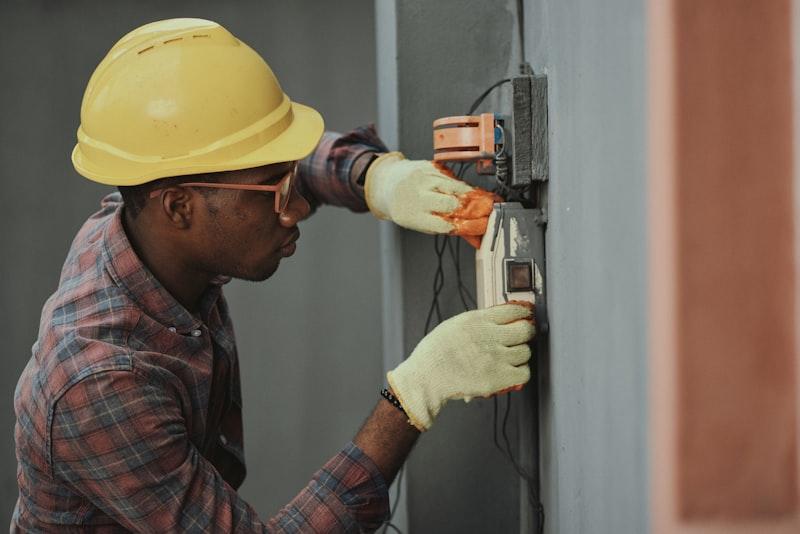
Discovering that one or more of your appliances has failed a PAT test can be alarming. But a failed PAT test is not a disaster — it is the system working exactly as intended. The purpose of PAT testing is to identify unsafe appliances before they cause harm, and a failed appliance that is immediately taken out of service is a significant safety win. Understanding what causes failures, what you must do next, and what your options are will help you respond quickly and correctly.
Common Reasons for PAT Test Failure
- Damaged or frayed cable — the most common cause of failure
- Cracked or damaged plug casing
- Incorrect or missing fuse (wrong rating for the appliance)
- Burn marks or evidence of overheating on the cable, plug, or appliance body
- Failed insulation resistance test — indicating degraded or damaged insulation
- Failed earth continuity test — indicating a broken earth connection in a Class I appliance
- Modified or non-standard wiring inside the plug
- Damaged appliance casing exposing live parts
What Happens Immediately When an Appliance Fails?
When our engineer identifies a fail, the appliance is immediately labelled with a fail sticker and — most importantly — removed from service. We will not allow a failed appliance to be left available for use. The fail sticker shows the date of testing and states that the appliance must not be used until it has been inspected and either repaired or replaced. Our test report will record the fail with the reason for failure, giving you the information you need to decide on next steps.
Repair or Replace? Making the Decision
Many PAT test failures are caused by simple, inexpensive faults — a damaged plug, a frayed cable, or an incorrectly rated fuse. These can often be repaired on the spot or very quickly and cheaply. For a failed cable or plug, a qualified electrician can replace the plug or fit a new section of cable, and the appliance can then be retested to confirm it is now safe. For more serious failures — evidence of internal overheating, failed insulation, or structural damage to the appliance body — replacement is usually the more prudent option, particularly if the appliance is old or low-value.
Retesting After Repair
Any appliance that has been repaired following a PAT failure must be retested before being returned to use. The retest should be a full PAT test, not just a visual inspection, to confirm the repair has been carried out correctly and no new faults have been introduced. MES PAT Testing Ltd offers a free or low-cost retest service for appliances repaired following failures identified during our initial visit, and our engineers can often carry out simple cable and plug replacements on site during the testing visit itself.
Recording Failed Appliances
All failed appliances must be recorded in your PAT test documentation. The record should include a description of the appliance, its location, the date of the failure, the reason for failure, and what action was taken — whether the appliance was repaired and retested, or removed from service and disposed of. This documentation is important evidence of your management of electrical safety. If an incident later involves an electrical appliance, your records demonstrating that failed items were promptly removed from service provide an important layer of legal protection.